
News
What to do in Belo Horizonte: an international student's guide
Belo Horizonte at a glance for a new student
Belo Horizonte is the capital of Minas Gerais, set on a plateau at roughly 850 metres and ringed by the Espinhaço mountains. The altitude gives it a moderate climate, with an annual average near 22°C. Summers are wet, from December to March, and winters are dry and cooler, from June to August. For a study year, the weather is rarely an obstacle.
The city is known across Brazil as the Capital dos Botecos, the capital of bars. The figure behind the nickname is real: city hall records put the density at around 28 bars per square kilometre, across more than 9,500 registered venues. That density shapes daily life. Social life happens outdoors, on the pavement, over shared plates and conversation. It makes the city easy to arrive in and meet people.
It is also affordable. Consumer prices, rent and everyday costs run well below São Paulo and Rio de Janeiro for a comparable standard of living. A student budget stretches further here than in Brazil's larger capitals. The figures are set out further down.
Culture and sights: start with what is free
The smartest first move as a student is to work through the free options before anything else.
The Praça da Liberdade and its cultural circuit are the place to begin. The square once housed the state government. When the offices moved out, the surrounding buildings became the Circuito Cultural Praça da Liberdade, one of the country's densest cultural complexes. Several of its museums charge no entry, including the Centro Cultural Banco do Brasil, the Memorial Minas Gerais Vale, and the MM Gerdau, the museum of mines and metal. It is a full weekend of art and architecture at no cost.
The Mercado Central is another essential stop. It is a working market of fresh produce, crafts and counter bars, where you can eat well and cheaply while getting a feel for the city. For green space in the centre, the Parque Municipal sits beside it.
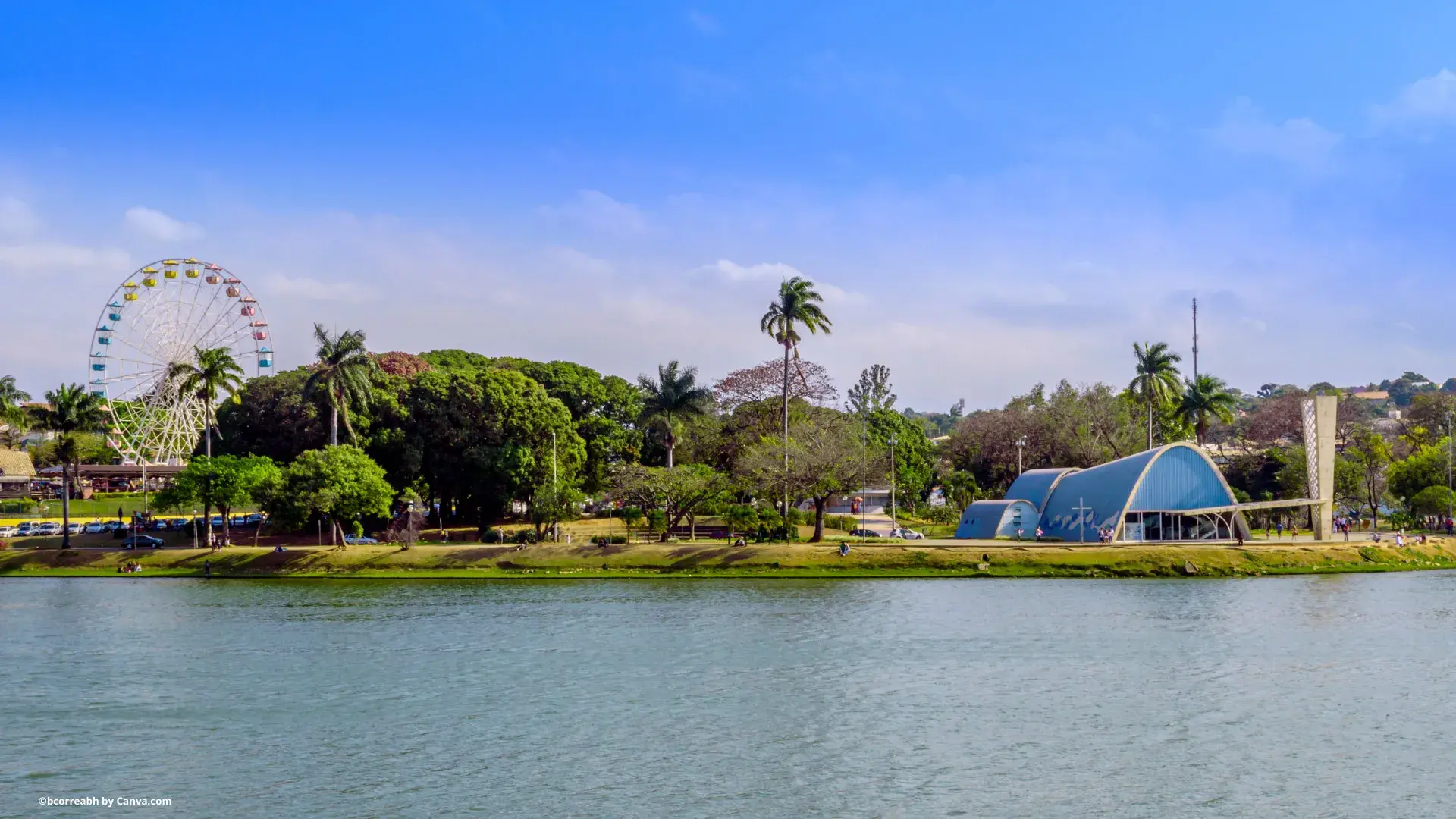
Pampulha is the architectural highlight. Juscelino Kubitschek, then mayor and later president of Brazil, commissioned the modernist ensemble in the 1940s. Oscar Niemeyer designed it, with landscaping by Roberto Burle Marx, and UNESCO added it to the World Heritage list in 2016. The Igreja São Francisco de Assis, with its parabolic concrete curves and azulejo tiles by Candido Portinari, is the centrepiece. Around the lake there is room to cycle, run or read, a quiet contrast to the dense centre. For views, the Mirante, the Parque das Mangabeiras and the Praça do Papa look out over the whole city.
Eating out and the bar culture
Comida Mineira is one of Brazil's strongest regional cuisines, and you will get to know it fast. Pão de queijo, the cheese bread eaten at any hour with a strong coffee, is everywhere and happens to be gluten-free.
Main meals lean on two dishes. Feijão tropeiro is a substantial mix of beans, cassava flour, bacon, sausage and egg, and it traces back to the gold-rush traders. Tutu de feijão is beans puréed and thickened with cassava flour. For dessert, look for doce de leite and Romeu e Julieta, the pairing of guava paste with fresh Minas cheese.
A boteco is a casual street-corner bar, and in Belo Horizonte it is the main social space rather than a night out on its own. It is where friendships form and where students wind down after class. The city formalises the habit each year with the Comida di Buteco festival. Bars invent affordable signature dishes for it, and residents travel between neighbourhoods to sample and vote. For the daily budget, the set-menu lunch known as the prato feito, or PF, is the cheapest reliable meal in town.
Student social life: nightlife, music and football
Going-out clusters in a few areas. Savassi, in the centre-south, and Lourdes are the convenient choices. Santa Tereza is the neighbourhood for live music and local character.
Football matters here in ways that surprise most new arrivals. The city splits between two historic rivals: Atlético Mineiro, whose supporters are the Galo, and Cruzeiro, known as A Raposa. Matches at the Mineirão, one of Brazil's largest and most famous stadiums, draw tens of thousands. Going to one at least once is part of understanding the place, whatever your interest in the sport. For everything else, the parks and the Pampulha lakefront are great for running and cycling.
Weekend day trips around Minas Gerais
Belo Horizonte is a good base, and the surrounding state rewards the weekends.
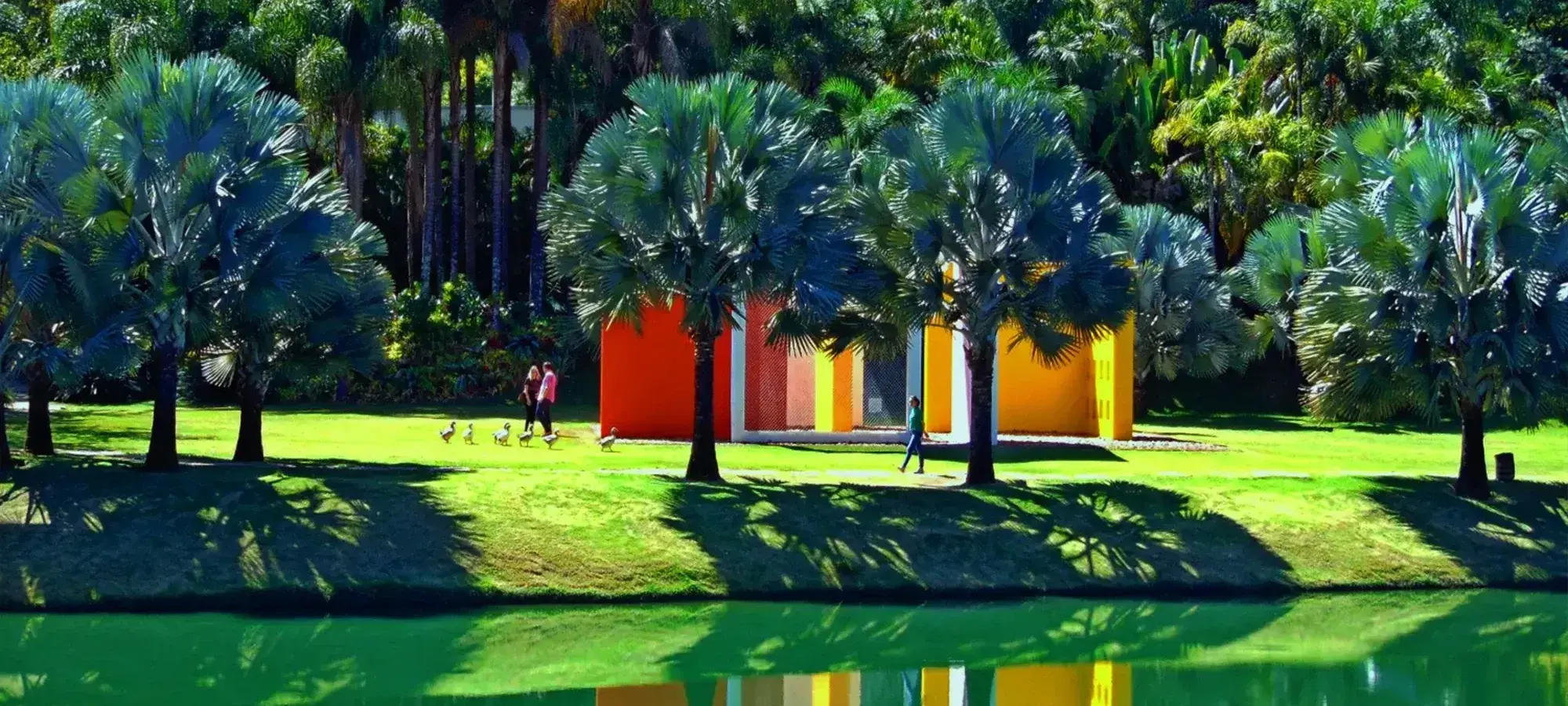
- Inhotim, in Brumadinho about 60 kilometres out, is one of the world's largest open-air contemporary art museums, set inside a vast botanical garden. It needs a full day. For anyone studying design, innovation or global business, it doubles as a case study in large-scale cultural enterprise.
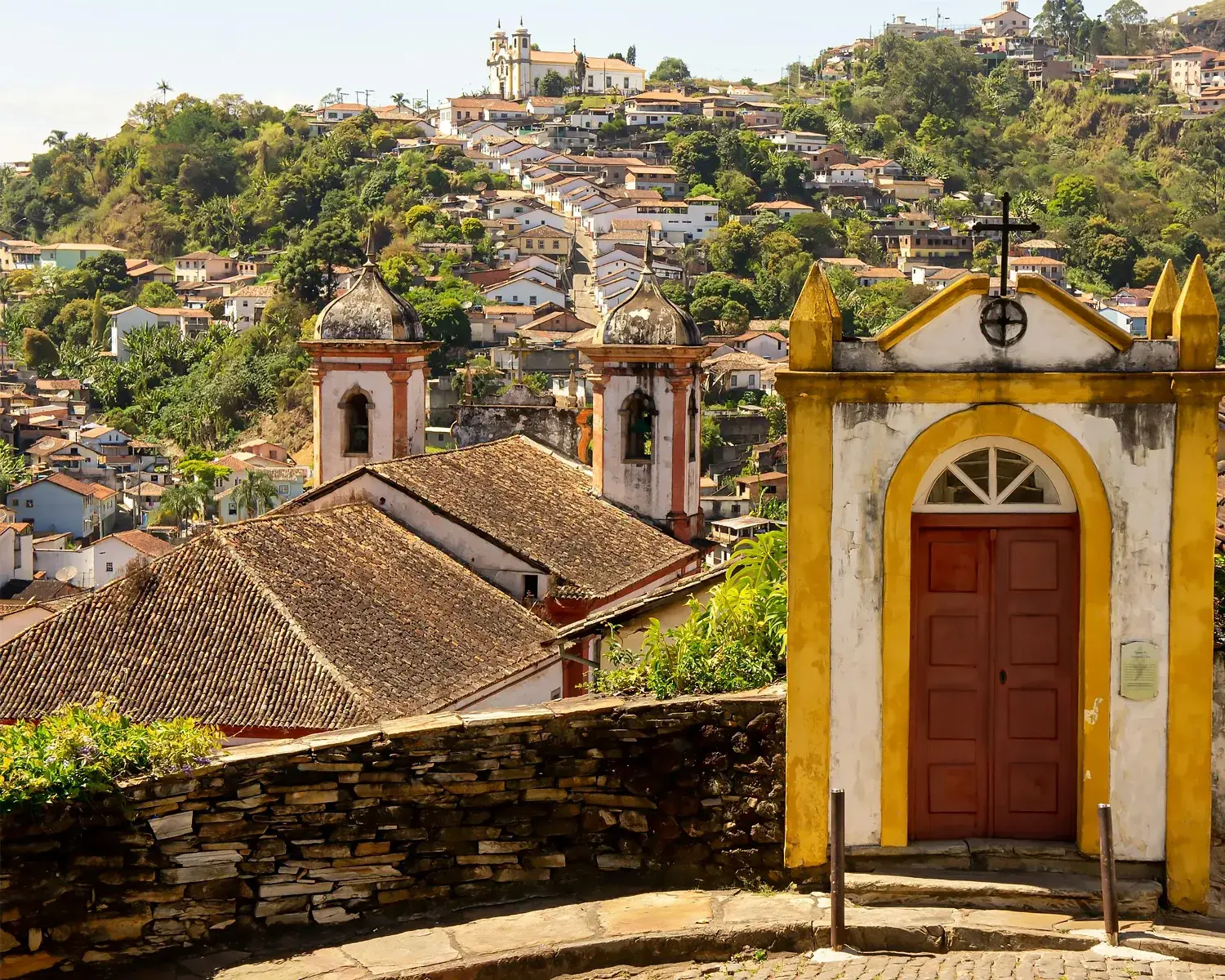
- Ouro Preto, around 100 kilometres away, is a UNESCO World Heritage town of steep cobbled streets and gold-leaf baroque churches, famous for the soapstone sculptures of Aleijadinho.
- Tiradentes and Mariana are smaller colonial towns with preserved architecture and strong regional cooking. Tiradentes is known nationally for its gastronomy festival.
- Serra do Cipó, about 100 kilometres north, is a national park of hiking trails and waterfalls, a popular outdoor escape for students.
Getting around the city as a student
The Cartão GIRO is the rechargeable smartcard for the city's transport, and it is worth getting on arrival to benefit from fare integration. Since 1 January 2026, following a readjustment by BHTrans and the Sumob mobility authority, the standard fare is R$6.25. That covers conventional buses, the MOVE bus-rapid-transit corridors and the metro, with shorter local circular lines at R$6.00.
The card's advantage is the combined fare. When you connect a bus journey to the metro within the set window, the metro leg drops to R$2.25. Municipal buses also run free on Sundays and public holidays, under the catraca livre policy, so weekend travel costs nothing.
The metro itself is a single overground line run by CBTU, so for many cross-city trips the bus network does the work. Ride-hailing with Uber and 99 is cheap by European or North American standards, and it is the sensible option late at night.
Where students live
International students concentrate in the central-south zone, close to the campuses and well served by transport. SKEMA's Belo Horizonte campus sits in Savassi, which puts most of the city life above within walking distance.
- Savassi is the first choice, dense with bars, restaurants and bookshops.
- Funcionários and Lourdes border it. They are leafier and more secure, a little quieter and more expensive, which tends to suit postgraduates.
- Pampulha sits further north near the federal universities. Rents are markedly lower, and the area is very student-oriented, but the daily commute to Savassi is longer.
Safety, language and settling in
Belo Horizonte is generally considered safer and more manageable than Rio or São Paulo. Ordinary city sense still applies:
- Avoid walking alone late at night in poorly lit areas.
- Keep your phone out of sight on busy streets.
- Use verified ride-hailing apps or licensed taxis, not unmarked cars.
Brazil is overwhelmingly Portuguese-speaking, and English is not widely spoken. You will not need fluent Portuguese to settle in, but you will need more than none. A handful of phrases make daily life easier, signal respect, and most students pick up the rest by using them. Avoid Spanish, even where it is understood.
| Portuguese | English |
| Olá / Oi | Hello / Hi |
| Tudo bem? | How are you? |
| Bom dia / Boa tarde / Boa noite | Good morning / afternoon / evening |
| Por favor | Please |
| Com licença | Excuse me |
| Obrigado / Obrigada | Thank you (male / female speaker) |
| Quanto custa isso? | How much is it? |
| Você fala inglês? | Do you speak English? |
A local SIM or mobile plan is the other early task, and it's easy to sort out in the first few days.
What it costs: a student's monthly budget in Belo Horizonte
Outside tuition, rent drives the monthly budget, and Belo Horizonte sits at the affordable end of Brazil's cities. The table below is a 2026 snapshot for a student living centrally, converted at roughly R$6.8 to the pound and R$5.1 to the dollar. Sharing a flat brings the rent line down sharply.
| Monthly line | BRL | Approx. GBP | Approx. USD |
| Rent, one-bedroom, city centre | R$1,974 to R$2,600 | £290 to £382 | $387 to $510 |
| Groceries | R$900 | £132 | $176 |
| Eating out and leisure | R$500 to R$800 | £74 to £118 | $98 to $157 |
| Transport | R$170 to R$350 | £25 to £51 | $33 to $69 |
| Utilities, electricity, water and wifi | R$250 to R$400 | £37 to £59 | $49 to $78 |
| Total | R$3,794 to R$5,050 | £558 to £743 | $744 to $990 |
The total excludes tuition, the mandatory health insurance of around R$1,500 a year, and flights. For the student visa, consulates generally ask for proof of funds of around R$1,500 to R$2,000 for each month of stay. Confirm that figure with your regional consulate.
Studying in Belo Horizonte with SKEMA
SKEMA has been present in Brazil since 2015 and opened its Belo Horizonte campus in July 2021, in the heart of Savassi. The location puts students in a growing entrepreneurial ecosystem, with a strong presence of international companies.
At the undergraduate level, you can take the Global Business specialisation there, the Belo Horizonte track of the Global BBA. At postgraduate level, the two-year MSc offers a multi-campus route that can include time in France.
Practical steps run alongside the academic ones. SKEMA's support for international students covers visa and arrival guidance, and the scholarships and hardship financial support open to you are set out separately. When your plan is settled, you can apply online.
Frequently asked questions
-
Yes. It combines a moderate climate, a famously sociable bar and food culture, and living costs well below São Paulo or Rio. It's easy to get to and affordable to live in.
-
A lot, for very little. The Praça da Liberdade cultural circuit has several free museums, and the Mercado Central is a cheap lunch and a visit in one. Pampulha and the city's parks cost nothing, and municipal buses run free on Sundays and public holidays.
-
Yes. About 60 kilometres away in Brumadinho, it is one of the world's largest open-air contemporary art museums, set in a botanical garden. It needs a full day to see properly.
-
Savassi is the usual first choice, for its central position and its amenities. Funcionários and Lourdes are quieter, slightly pricier alternatives. Pampulha is cheaper but means a longer commute.
-
It is generally regarded as safer than Rio or São Paulo. Standard urban precautions still make sense: keep your phone discreet on busy streets, avoid unlit areas alone at night, and use verified ride-hailing apps or licensed taxis after dark.
-
Plan on roughly R$3,800 to R$5,050 a month, about £560 to £740, for central accommodation and ordinary expenses. That excludes tuition, health insurance and flights. Sharing a flat lowers the largest line item, the rent.