
News
Anand van Zelderen: thinking about AI as a “digital colleague”
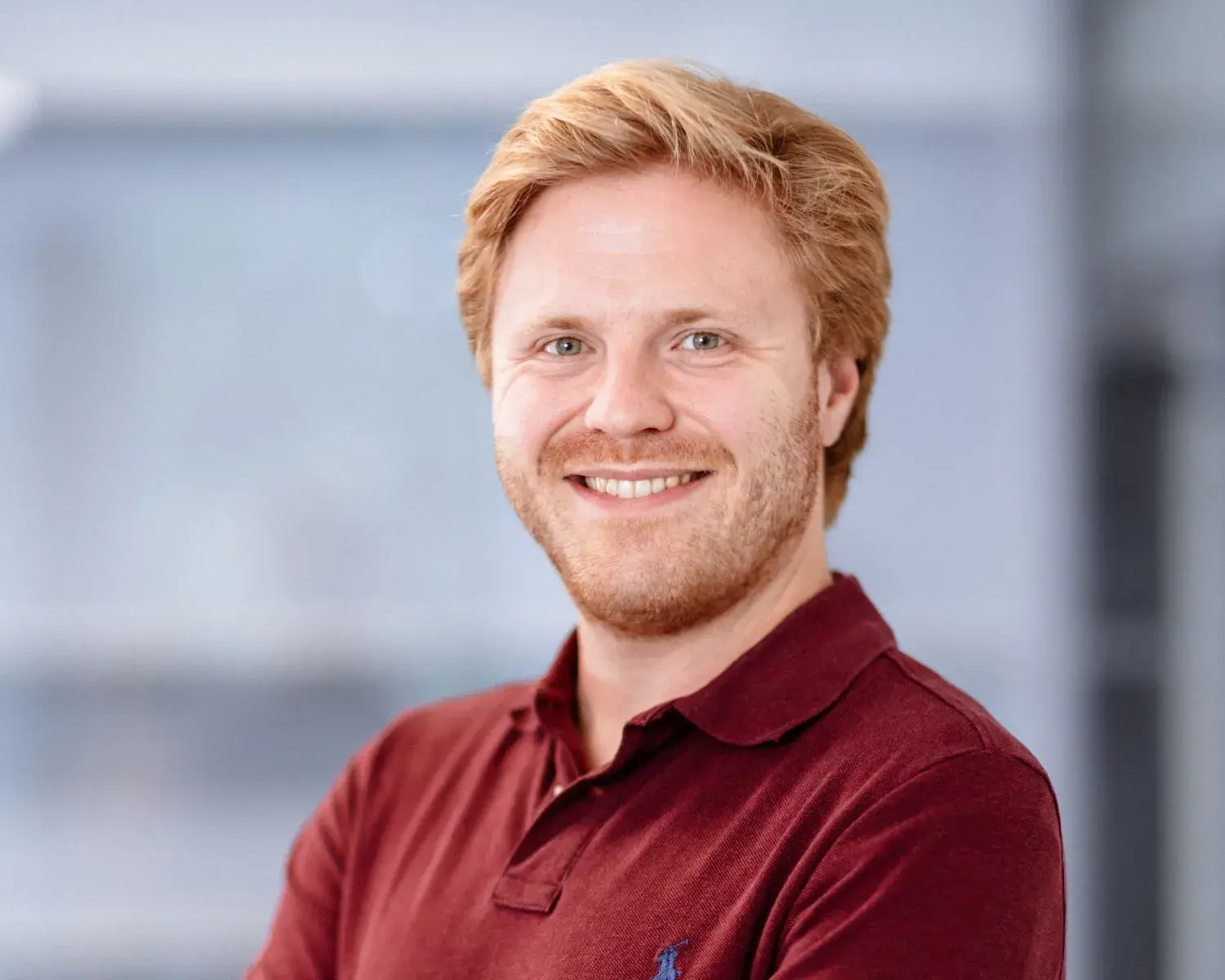
Could you briefly introduce yourself and explain the focus of your research?
As a researcher, I study how technology is reshaping our professional lives. Drawing on my background in experimental organisational psychology, I examine shifts in employee behaviours, cognitions and emotions as a direct consequence of new digital paradigms at work. My work is guided by a strong moral ambition.
In my view, contrary to what is often assumed, the main challenge posed by AI is not technological: it is profoundly human.
In practice, this conviction shapes my research approach: new technologies should not only serve shareholders’ interests, but also contribute to building a sustainable, human-centred future of work. I believe this perspective is urgent because, for every 300 people developing, optimising or integrating AI within organisations, only one is genuinely questioning its human cost.
Your work focuses on interactions between humans and autonomous AI agents. What are the key questions driving your research today?
The central question running through all my research is this: which dimensions of our humanity risk being lost through the spread of artificial intelligence, and should we be more concerned about this? Today, AI agents are progressively taking on major human roles, whether as teachers, therapists or other social functions. We can no longer view AI as a simple tool.
For me, teaching is about shaping critical minds as much as thoughtful practitioners.
In management, we must now think of these agents as a form of “digital colleague”. This raises new questions around human autonomy, critical thinking, emotional intelligence and the sense of meaning individuals are still able to preserve in their work. In my opinion, contrary to common assumptions, the principal challenge of AI is not technological: it is deeply human.
You also study experimental methods combining AI and virtual reality. What do these approaches make it possible to better understand within organisations?
Virtual reality is a powerful tool for simulating organisational environments and making hypothetical scenarios tangible for research participants. It enables researchers to maintain a high degree of experimental control, producing causal findings on organisational practices and policies without sacrificing realism.
Generative AI introduces an additional dimension by allowing these simulated environments to be populated with programmed actors capable of embodying a manager, colleague or client. This offers a more refined understanding of how certain interventions influence employees’ behaviours and attitudes towards their organisation. These tools also make it possible to study “digital colleagues” by giving AI agents a human appearance.
What do you hope to pass on to students through your teaching?
My teaching approach is built on a balance between theory and practical relevance. I want students to understand not only what works in organisations, but also why it works, under which conditions, and with what long-term consequences. For me, teaching is about developing critical thinkers as much as attentive practitioners.
I also want students to understand that an excessive focus on efficiency and profitability often drives organisations in the wrong direction, whereas more sustainable growth emerges from a genuinely human-centred perspective that values personal fulfilment as much as performance.