
News
Élisée Nlemba: “Digital education can change a life”
When did your commitment to humanitarian work begin?
My involvement began over five years ago, during my time as a university student in Cameroon. I was leading a student association (Randonnée sociale et citoyenne) and it opened my eyes to the power of collective action. Humanitarian work quickly became much more than a one-off activity – it became a true source of meaning.
Through conferences, civic campaigns and, above all, hands-on projects, I realised that it’s possible to be a driver of change, even on a small scale. That belief still drives all my work today. I’m convinced our generation has a key role to play in building a fairer and more united Africa.
How was HUMANI’SPHERE founded?
HUMANI’SPHERE was born from an urgent need to develop local responses to the inequalities I saw on the ground. Travelling through remote parts of Cameroon, I saw young people with no access to education, schools without resources, talent stifled by a lack of opportunity.
Rather than remain a passive observer, I wanted to bring people together. That’s how HUMANI’SPHERE came to life – built on strong values: humanity, commitment and fairness. Our ambition is to strengthen local capacity, particularly among young people.
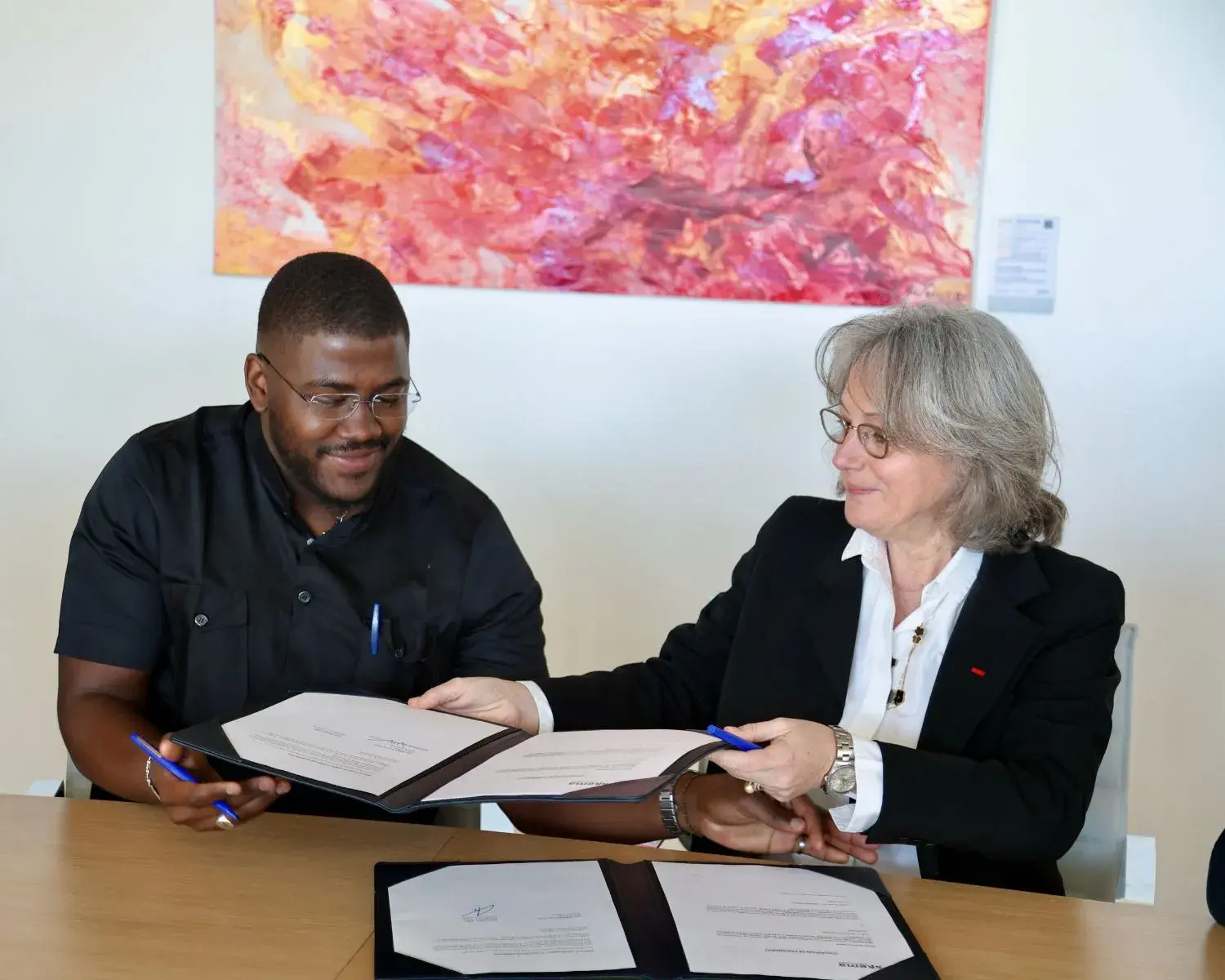
You’re currently developing a project supported by SKEMA. What does it involve?
We’re working on an ambitious initiative called the Garoua Digital Academy. The aim is clear: to set up a digital training centre in a state secondary school in Garoua, in a region still largely disconnected from digital opportunities. We’ve signed an agreement with a local school to renovate a classroom and transform it into a fully equipped digital space (computers, internet, suitable furniture).
We’re also collaborating with the African Institute of Computer Science to ensure high-quality teaching and certified training. The project aims to democratise access to digital skills and reduce the technological divide, particularly for young women.
What opportunities do you hope to offer these young people?
We’re planning three to five-month certified training courses focused on office IT skills, basic digital management, and self-employment. But beyond the technical aspect, what we’re offering is a space for expression and confidence-building. We want these young people to walk away with concrete skills – and a renewed sense of self-worth. Digital tools are a gateway to discussing the future, dignity, and personal empowerment.
What are your plans after graduating from SKEMA?
I want to continue my studies in the field of digital transformation consulting and social innovation. My goal is to help public and private organisations navigate meaningful change that benefits society. But I’ll remain deeply committed to the field.
In the long term, I want to build HUMANI’SPHERE into a leading pan-African NGO, able to act on major issues such as inclusive education, community health and gender equality. I firmly believe Africa already has its own builders of the future. It’s up to us – young Africans – to activate that potential and build a model of human development rooted in our realities and driven by our own voices.