
News
Research: Can we tell whether a stranger is trustworthy by looking at their face?
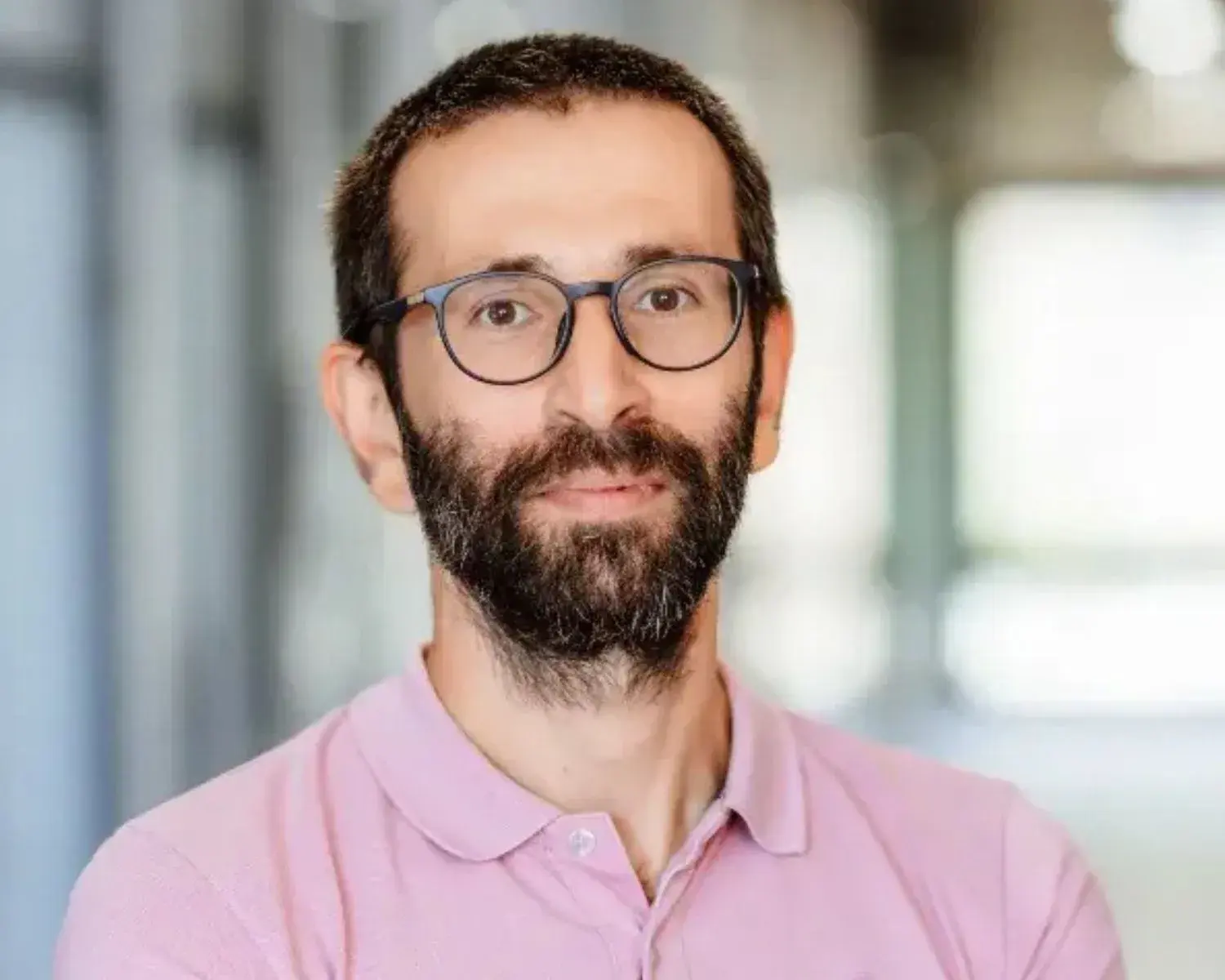
Published in Theory and Decision, the research was conducted by Zakaria Babutsidze alongside Adam Zylbersztejn from Université Lyon 2 and GATE-CNRS, Nobuyuki Hanaki from the University of Osaka and the University of Limassol, and Astrid Hopfensitz from emlyon business school and GATE-CNRS. Zakaria Babutsidze is a member of SKEMA’s Knowledge, Technology and Organisation (KTO) research centre. His work focuses on communication and interaction, individual decision-making, and digital and green consumer behaviour.
Our first impressions mislead us
The study draws on a three-stage laboratory experiment involving 357 participants in Paris, Lyon and Nice. Participants were shown neutral portraits and asked to predict how the people pictured had behaved in an economic game involving real financial incentives.
Their average accuracy rate was close to 50% — no better than random guessing. While some portraits generated more correct predictions than others, the researchers found no evidence of a stable human ability to “read” trustworthiness from a face.
“Faces shape the way we evaluate other people, but our findings reveal a gap between the confidence we place in first impressions and their actual predictive value. Seeing someone’s face can make us feel better informed without making our judgement more accurate,” says Zakaria Babutsidze.
Despite their poor results, participants continued to treat facial information as useful. The findings raise questions about the weight given to first impressions in recruitment, management, online transactions and other situations where consequential decisions are made from limited visual information.
N.B: The article, “Detecting trustworthiness in strangers: human faces vary in their informativeness, but cannot be accurately judged”, was published on 27 July 2026.