
News
SKEMA to host EFA 2025: a record-breaking and strategic edition for academic finance
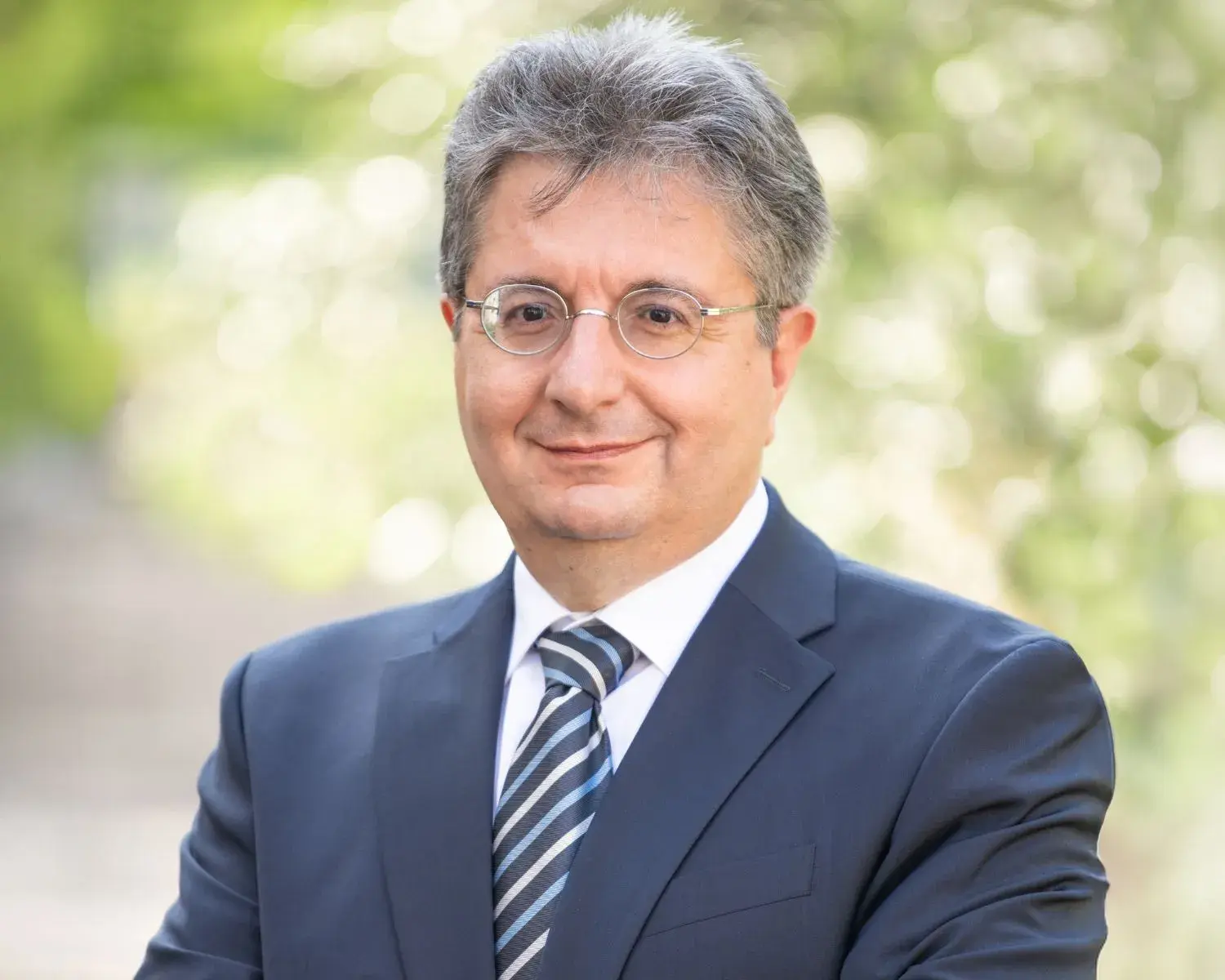
What exactly is your role in the organisation of the conference?
I’m the Scientific Programme Chair, which the EFA refers to as the Program Chair. The role involves overseeing the entire academic process, from the call for papers to the structuring of sessions.
The experts involved in this process come from some of the most prestigious universities across Europe, North America and Asia.
How many papers were received this year?
We received 2,024 papers over a two-month period, from early December 2024 to early February 2025. We selected 216 through a three-stage process: an initial screening by a scientific committee of researchers from French institutions, followed by assessments from nearly 1,000 international referees, and finally, a thematic session design led by 54 track chairs.
The experts involved in this process come from some of the most prestigious universities across Europe, North America and Asia. The final step, led by the track chairs, was entrusted to world-renowned scholars in their respective fields. Assembling these committees was a key part of my role—one I thoroughly enjoyed.
Topics include sustainable finance, public debt, fintech, digital payments, derivatives, and artificial intelligence.
How are the sessions put together?
The track chairs selected the top-rated papers and grouped them into sessions with strong thematic coherence. Their work gives the conference its structure and consistency.
I’ve recently published several papers on these topics in the Journal of Finance, and the paper presented at the EFA continues along this trajectory.
What are the key themes of this edition?
They reflect the diversity of the field and are wide-ranging. Topics include sustainable finance, public debt, fintech, digital payments, derivatives, and artificial intelligence. Household finance—a field I’ve been contributing to for two decades—has gained significant ground, with eight sessions this year, an unprecedented number.
Why is there growing interest in household finance?
Because it helps shed light on core economic behaviour. Households hold most of the economy’s assets, and their decisions to invest, borrow or save have a major impact on markets. It’s also a highly relevant area for testing economic models and decision theory predictions.
Are you presenting a paper yourself this year?
Yes, I’m co-authoring a paper on the impact of structured products held by households on hedging markets. These complex financial instruments, often appealing in low-interest-rate environments, can carry significant risks for savers if the markets turn.
More than 800 participants, including researchers, academics, central bank representatives and finance professionals.
Does this topic align with your current research?
Absolutely. Since the mid-2000s, I’ve focused on household financial decision-making and its influence on asset prices. It’s a central theme of my research, with particular attention to decision models and general equilibrium dynamics. I’ve recently published several papers on these topics in the Journal of Finance, and the paper presented at the EFA continues along this trajectory.
What will be the highlights of the conference?
The keynote by Monika Piazzesi, professor at Stanford University and former president of the American Finance Association, will be a major moment. She’s a global leader in the field. Another highlight will be the plenary panel on “Finance and Climate”, featuring Catherine Wolfram (MIT), Andrew Blease (Moody’s), and Nobel Laureate Lars Hansen (University of Chicago).
How many sessions are scheduled this year?
There will be 81 sessions over two and a half days, with 216 papers presented. Each session is carefully curated to reflect current themes and the most cutting-edge research.
What does a session look like in practice?
Each session lasts 30 minutes and includes three presentations. The paper’s author has 15 minutes to present their work, followed by 10 minutes of critical discussion from another scholar, and 5 minutes of open discussion. It’s a rigorous format designed to foster constructive feedback.
Who is expected to attend?
More than 800 participants, including researchers, academics, central bank representatives and finance professionals. The EFA annual conference is a key event for the academic finance community and a unique space for dialogue between research and the financial sector.
Being selected for the EFA is a strong quality signal, and the feedback received during the conference often helps to improve papers [...]
How does the EFA engage with the non-academic world?
Several sessions are sponsored by institutions such as the Banque de France, the European Central Bank, the Bank for International Settlements and Norway’s sovereign wealth fund. These partners use academic research to better understand markets, anticipate risks and inform their decisions. The EFA acts as an intellectual forum, bringing together academia, central banks and the private sector.
What becomes of the papers presented?
Many go on to be published in top-tier academic journals. Being selected for the EFA is a strong quality signal, and the feedback received during the conference often helps to improve papers before final publication.
Who are the main partners for this edition?
They include the European Central Bank, Banque de France, Bank for International Settlements (BIS), CRSP (University of Chicago), Dimensional Fund Advisors, Natixis Foundation, SCOR Foundation, Journal of Pension Economics & Finance, Moody’s, Norges Bank Investment Management, Paris Europlace, and PerCent (CBS), among others.
What does it mean for you to host this event in France?
It’s a great honour to have been asked by the EFA to organise the conference. By hosting it on SKEMA’s Grand Paris campus, we aim to contribute to France’s academic visibility and show our ability to host a conference of this scale. The event also showcases the dynamism of our school and academic community.