
News
The Odyssey on the big screen: why does Odysseus choose to be tied to the mast?
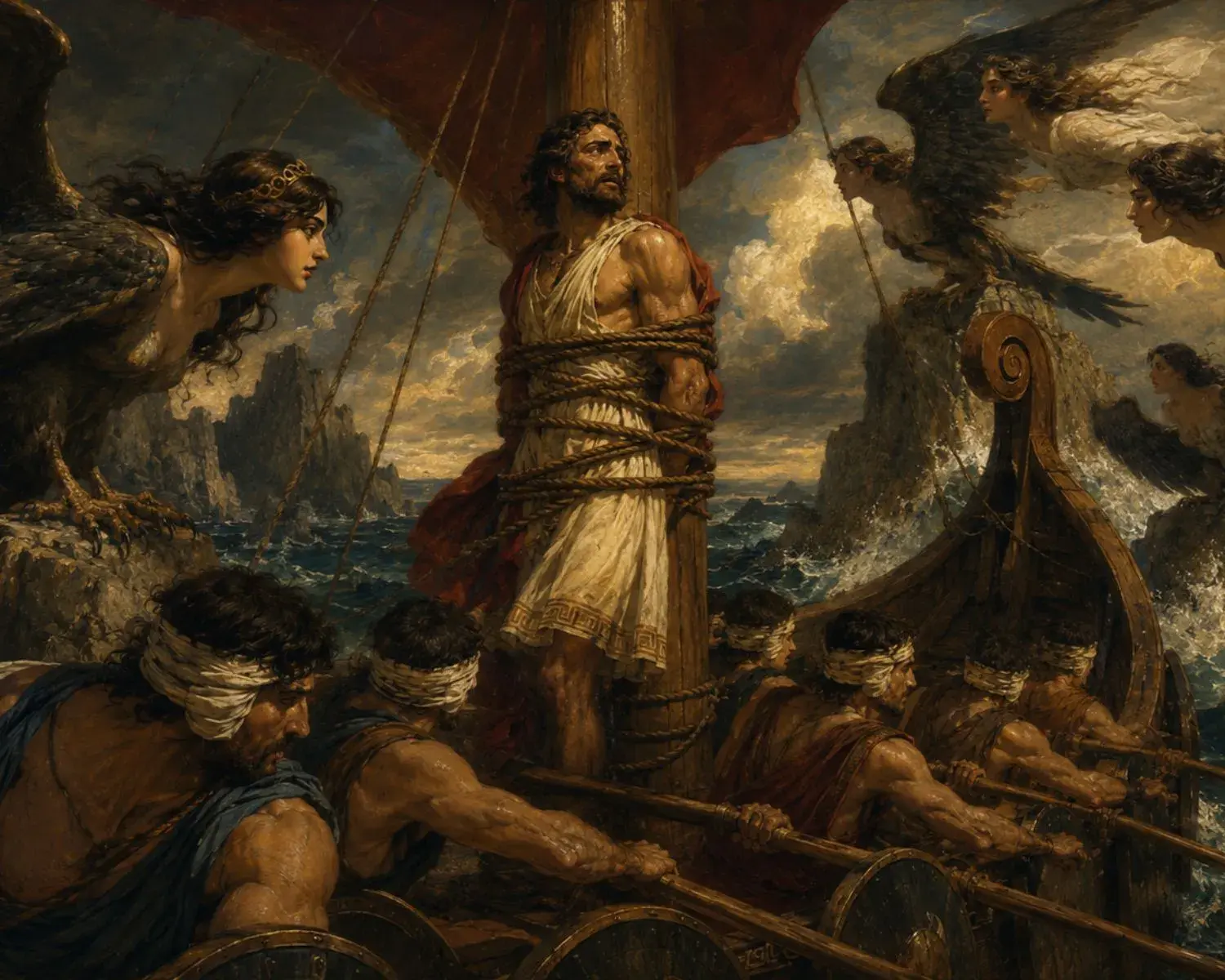
In an article published by The Conversation, Olivier Lasmoles draws on one of the biggest cinema releases of the moment to examine the episode of the Sirens’ song through the concept of “precommitment”.
In Homer’s account, Odysseus knows that he will be unable to resist the Sirens’ song. He therefore asks his companions to tie him to the mast and forbids them from releasing him, even if he later orders them to do so. By restricting his freedom of action in advance, he protects the decision he made before temptation takes hold.
A reflection on freedom
This strategy sheds light on the role of law in our societies. Contracts, constitutions and international treaties rest on a similar principle: accepting a constraint in the present to preserve a commitment over time and make trust and collective action possible.
“A perfectly rational being would have no need for ropes: he would listen to the Sirens and remain unmoved. An irrational being would throw himself into the sea. Odysseus embodies a third figure: someone who, unable to trust his future self, neutralises it in advance,” writes Olivier Lasmoles.
Drawing on Christopher Nolan’s film and Homer’s text, Olivier Lasmoles offers a reflection on freedom, willpower and the force of the rules we choose to impose upon ourselves.