
News
What is it like to live in Dubai as a student? A practical guide to costs, culture and campus life
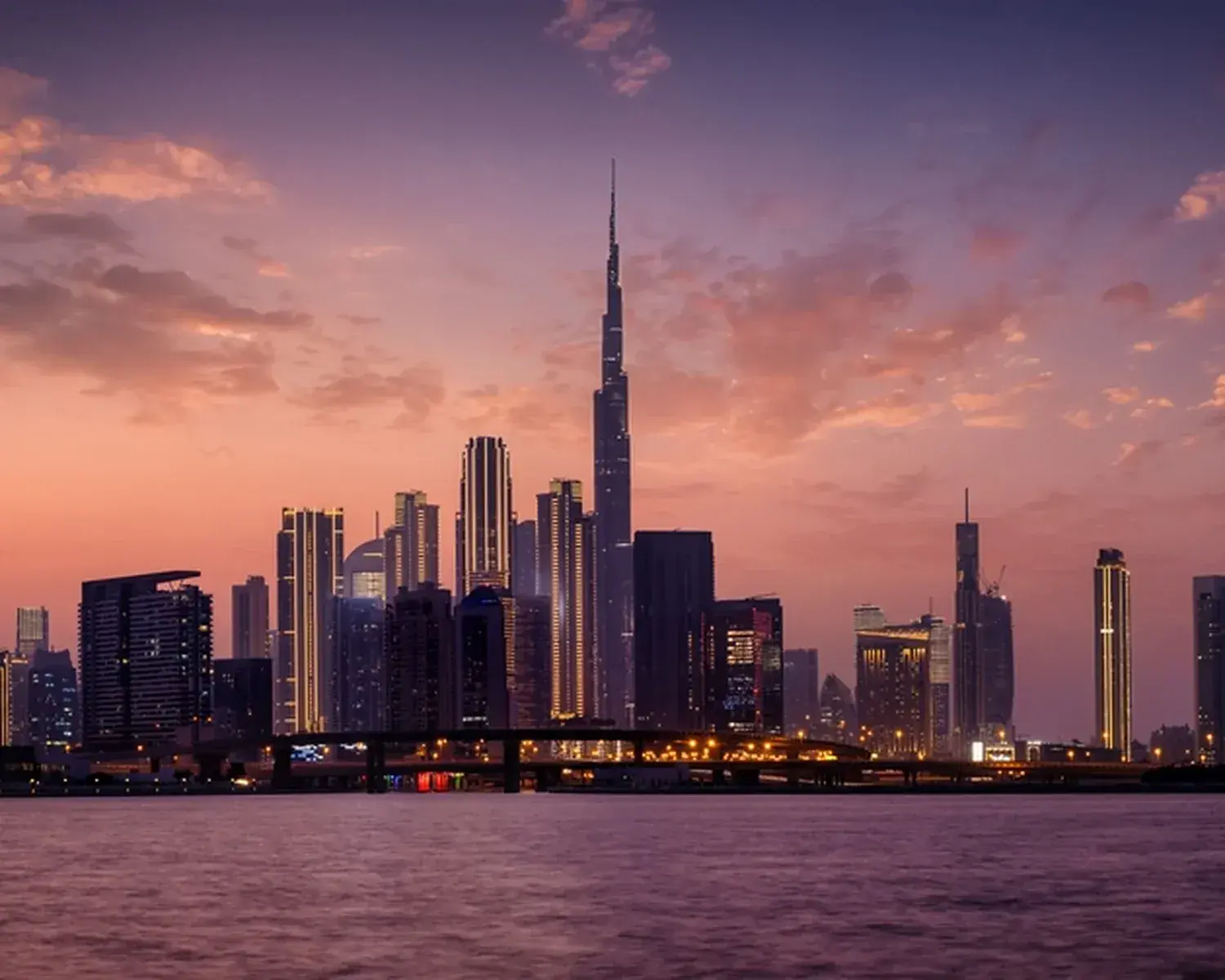
Dubai student life at a glance
| What to know | Quick overview |
| Monthly budget | Plan around AED 3,400–7,000, excluding tuition and one-off costs. Housing and lifestyle choices make the biggest difference. |
| Climate | Hot year-round. Summer temperatures can reach the high 30s to mid-40s Celsius; October to April is generally more comfortable outdoors. |
| Transportation | Metro, buses, trams, and taxis. A student nol card can provide a 50% public transport discount if you meet the eligibility requirements. |
| Language | Arabic is the official language, while English is widely used in higher education, business, and everyday services. |
| Safety and rules | Dubai is known for its orderly public environment, but students should understand local laws and social etiquette. |
| Working while studying | A student visa does not automatically mean unrestricted permission to work. The correct permit and any university approvals must be checked before accepting a job or internship. |
Why Dubai attracts international students
Dubai has become an important higher education destination, with local institutions and international university campuses. The latest published figures from Dubai's Knowledge and Human Development Authority (KHDA), covering 2024–25, record 42,026 students across 41 private higher education institutions. Enrollment rose by 20% that year, while international student enrollment increased by 29%.
That growth is reflected in the classroom and beyond. Students meet classmates with different nationalities, languages, and experiences, and encounter a multicultural outlook in everyday life, from food and festivals to professional networking. Group projects bring different approaches together, making the city part of the learning experience for students interested in international business and preparing them for a global workforce.
English is the main language of instruction on many international programs, including SKEMA's Global BBA in Dubai.
Arabic is the official language of the city, and learning a few everyday expressions is a thoughtful way to embrace local culture.
Academic life
Class size, attendance guidelines, instruction methods, and assessment vary by institution and program, so check the course structure rather than relying on general impressions.
SKEMA Business School's Dubai campus is located at DIFC Academy in Gate Village 02, within the Dubai International Financial Centre (DIFC). The nearest Metro stations are Emirates Towers and Financial Centre on the Red Line. DIFC is a major financial and professional district, giving students an opportunity to see an international business environment up close and connect classroom learning with the professional world.
The campus is more than a place to attend classes. DIFC regularly hosts cultural and professional events. Gate Village Art Nights bring exhibitions and live performances into the district, giving students a chance to explore the cultural environment close to campus. SKEMA's wider student-association network spans sport, arts, culture, entrepreneurship and social impact. Don't hesitate to ask your campus team which associations and student-led events are active during the academic year.
SKEMA's Global BBA in Dubai is a four-year, full-time program taught in English. Its multi-campus format is designed to develop management skills and an international outlook. Prospective students can request the program brochure or book an appointment through the program page.
Daily life: climate, pace and lifestyle
Dubai is a large, spread-out city, so where you live shapes your lifestyle. A normal week might include classes, group assignments, independent study, meals with friends and time exploring the city. Cafés, beaches, galleries and restaurants create plenty of options, but distance matters: even a short trip can take time, depending on traffic and public transport.
Climate has a real effect on routine. From May through September, average temperatures are often in the high 30s to mid-40s Celsius. October to April is generally milder, with average temperatures around 20°C to 30°C. Students often plan outdoor activities for the cooler months or evenings and rely more on air-conditioned indoor spaces during summer.
The city can feel fast-paced and career-focused, but the local multicultural communities create opportunities to discover different cultural perspectives. Weekends can be quieter too: explore an older neighborhood, visit a gallery, go to the beach or meet friends for an inexpensive meal.
Where to live near SKEMA’s DIFC campus
Accommodation will probably be the biggest part of your global budget. Options include student residences, shared apartments, and private studios. A residence can simplify the move if utilities, internet, or furniture are included. Shared housing often offers a trade-off between cost and independence, while a private studio gives you more privacy at a higher price.
For students attending DIFC, three areas are worth researching:
- Trade Center and Al Satwa: Convenient to the DIFC and World Trade Center area. Check individual buildings carefully, as walking distance, Metro access, and rents vary.
- Business Bay: A popular central option with a Red Line connection and access to Downtown Dubai. It can be a useful balance between location and housing choice, although prices vary considerably.
- Bur Dubai and Al Karama: Established neighborhoods with shops, restaurants, and Metro connections. They may offer more budget-conscious options than living directly in DIFC, but compare the full door-to-door commute.
These are starting points, not guarantees of affordability. Before signing a lease, check the commute at class times, whether bills and internet are included, the deposit, contract length, and agency fees. SKEMA provides accommodation guidance; contact the school for current Dubai-specific resources.
Cost of living in Dubai as a student
As a planning estimate, allow around AED 3,400–7,000 per month, excluding tuition, visa costs, flights, deposits, and other one-off expenses. The lower end generally assumes shared accommodation and careful spending; a private studio, frequent taxis, and regular restaurant meals can push costs higher.
| Expense | Indicative monthly range |
| Accommodation | AED 1,800–4,000 |
| Food and groceries | AED 800–1,500 |
| Public transportation | AED 250–400 |
| Mobile and internet | AED 150–300 |
| Personal and leisure spending | AED 400–800 |
Treat these numbers as a starting point, not a quote. Some residences bundle utilities and internet into the rent; others charge separately. Ask for a full breakdown before comparing properties. Cooking at home, sharing a flat and using the Metro can make a noticeable difference.
Getting around Dubai
Dubai’s public transport network includes the Metro, buses, tram and marine services. A nol card is used to pay for journeys across the RTA network. Eligible students can apply for a student nol card that offers a 50% discount on public transport fares; eligibility requires an active student record with KHDA or a valid letter from the educational institution.
For the SKEMA campus, Emirates Towers and Financial Center are the nearest Metro stations. Taxis and ride-hailing services are convenient for journeys that are not well served by public transport, but using them every day can quickly increase monthly expenses. Check the journey at peak class times before choosing where to live.
Culture, social life and affordable things to do
Dubai is multicultural, but Emirati culture and Islamic traditions remain important in public life. Read the UAE's official etiquette guidance, dress modestly in public settings, keep public displays of affection discreet, and avoid offensive language or gestures. Rules also apply to alcohol and photography, so do not assume that the norms at home are the same.
Ramadan is an important time in the UAE. Non-Muslim residents are not required to fast, but opening hours and daily schedules can change. After sunset, iftar gatherings and evening activities bring a different rhythm to the city. Taking part respectfully can be a valuable cultural experience.
A student budget does not have to rule out exploring the cultural side of Dubai. Consider:
- Al Fahidi Historical Neighborhood: Walk through traditional lanes and wind-tower buildings and learn about the city's history.
- Alserkal Avenue: Browse contemporary art galleries and community spaces; many gallery visits are free.
- DIFC Gate Village Art Nights: Look out for exhibitions and live music in the district around the campus.
- Public beaches and waterfront promenades: A walk or swim can be a low-cost way to spend time outdoors, especially in the cooler months.
- Old Dubai: Explore the creekside area and traditional markets; an abra crossing is an inexpensive way to experience the waterway.
University is often the easiest place to build a social circle. Student associations, sports, group work, and campus events help people connect. Away from campus, common interests and cultural communities provide other ways to meet people. Nightlife operates within local licensing rules and is only one part of the social scene.
Is Dubai safe for students?
Dubai has a reputation for being a safe, orderly city, but students should use common sense: look after their belongings, plan late-night journeys, and use reputable transport. Learn the local rules before you arrive, particularly those concerning public behavior, dress, and photography.
Before moving, check what health insurance is required, which clinics and hospitals are covered, whether co-payments apply, and how to access emergency care. Find out what student support and counseling services your university provides.
Can international students work in Dubai?
Do not assume that a student residence visa automatically allows you to take any job. UAE rules set out specific work-permit routes and conditions; you need a valid work permit before employment. Documentation may include a residence visa, Emirates ID, and an employment or training contract. Training placements may also require university approval.
Before accepting a job or internship, read the official UAE work-permit guidance and ask the university and employer which permit applies. A relevant internship may be more valuable than casual work in a city with opportunities in finance, technology, logistics and consulting.
Who is likely to enjoy student life in Dubai?
Dubai may suit students who enjoy a large, multicultural city and want to learn in a business-focused environment. It can be rewarding for people who are curious about different cultures, comfortable building a social life beyond a traditional campus, and ready to manage a practical budget.
The transition might be harder for students looking for a low-cost university town, a compact city where everything is walkable, or a residential campus where most classmates live nearby. The best choice depends on the experience you want, your student lifestyle, the university location, and the budget you can sustain.
Before you arrive: a short checklist
- Confirm your student visa and Emirates ID arrangements.
- Arrange accommodation and check your tenancy documents.
- Confirm your health insurance arrangements.
- Get a local SIM card and transport card.
- Complete university registration and check your orientation schedule.
- Keep emergency contacts handy.
- Review the school's guidance regarding local laws and customs.
- Sort out housing early, and don't pay a deposit until you have checked the contract and the provider's legitimacy.
Is Dubai the right place for your university experience?
Living in Dubai as a student can mean studying alongside people from many countries, discovering a distinctive cultural environment and gaining exposure to an international business hub. It also means budgeting carefully, planning around the climate, and knowing local rules.
For students considering SKEMA Business School, the DIFC campus offers a setting in one of the region's major financial districts. Explore the program information, request the brochure, or contact the campus team to learn more about programs, student activities, and the application process.
Frequently Asked Questions
-
It can be, especially if you like big, international cities and want to be close to a major business hub. First, weigh the downsides honestly: costs, the heat, getting around, and local customs.
-
ApplyBoard's 2026-27 guide puts it at roughly AED 3,500 to AED 6,500 a month, excluding tuition. That works out to about $950 to $1,770. Where you end up on that scale mostly depends on your housing and how often you eat out.
-
It depends. Check the rules tied to your visa, your university, and the specific job before you accept anything. A student residence visa doesn't automatically let you work.
-
Hot desert climate. Summers are very hot, and most students spend those months in air-conditioned spaces. The cooler months are the time for beaches, outdoor plans, and exploring.
-
No. Arabic is the official language, but English is widely used at universities, at work, and in everyday life. If you're in an international program, you can usually manage without it. Some simple phrases still help, and locals tend to appreciate the effort.
-
Learn the norms around dress, public behavior, photography, alcohol, and public affection. Rules change from time to time, so check official UAE government sources and your university's guidance for the current picture.
-
There are bachelor's and master's programs in business, finance, technology, engineering, design, and more. Whether Dubai is the right pick depends on what you want to study, what kind of campus you like, and where you want your career to go.
-
Sort out your visa paperwork, housing, health insurance, phone plan, and transport first. Once you arrive, complete university registration, attend orientation, and learn what support services your campus offers.