
News
AI and marketing creativity: SKEMA research wins international award
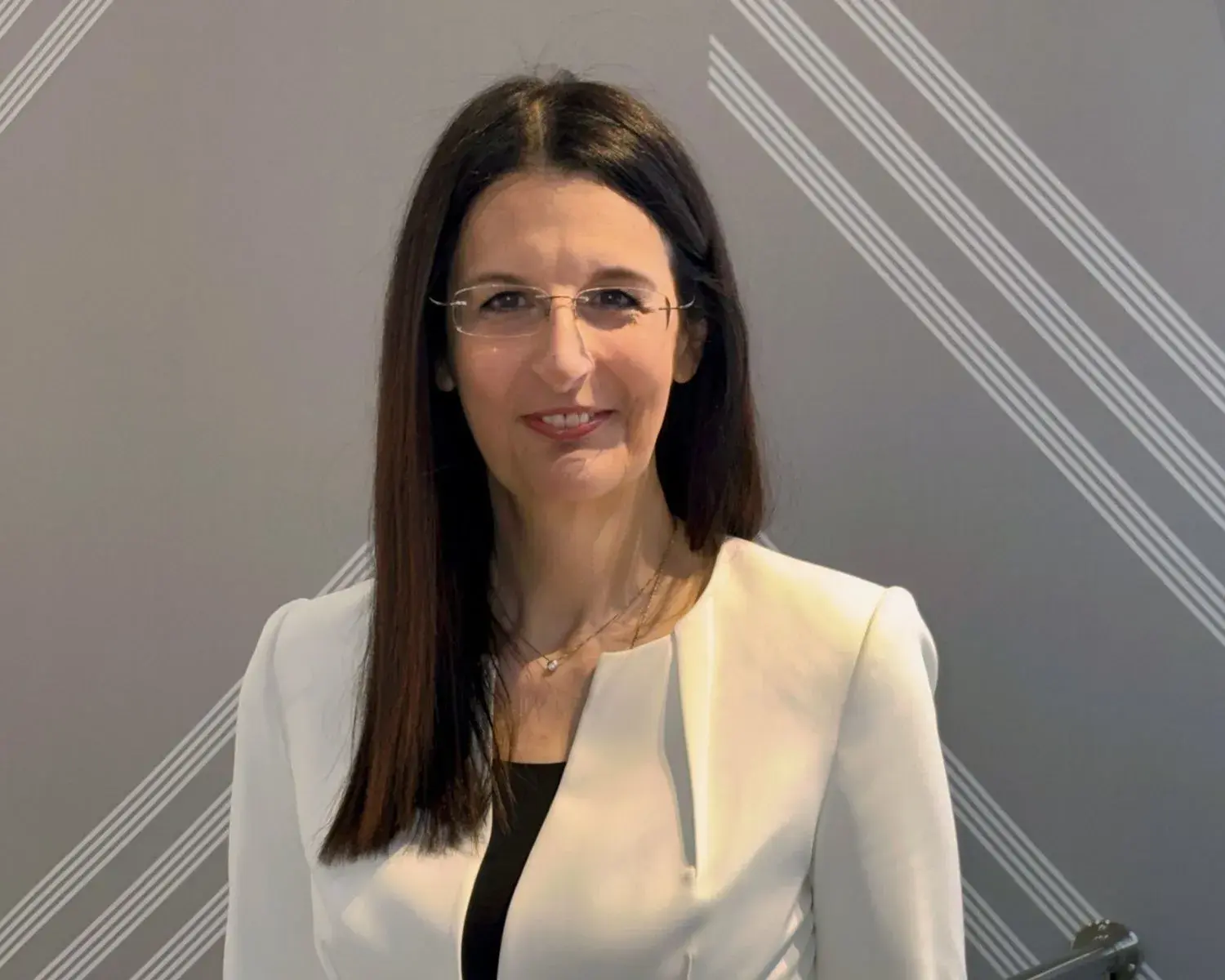
Their paper, Unlocking Marketing Creativity Using Artificial Intelligence, explores a question now facing many organisations: can artificial intelligence help people become more creative, rather than replace them?
When AI becomes a creative partner
To answer this question, the researchers studied both artists and AI systems. They interviewed managers and creators already using AI in their work — including painters, musicians and choreographers — and analysed more than 240,000 AI models and systems developed between 2015 and 2024.
The study shows that AI is increasingly viewed not just as a productivity tool, but as a creative partner. According to the researchers, AI can help professionals generate ideas, explore unexpected possibilities and rethink the way creative work is produced.
From artists to marketers
The paper highlights how creative professionals already use AI to experiment with new forms of expression, test ideas and challenge traditional creative processes. Some artists interviewed for the study described AI as a “new medium” capable of expanding the creative field and opening unexplored directions.
The challenge is not to replace human imagination, but to understand how AI can help people explore ideas differently
The researchers believe these lessons also apply to marketing. In a context shaped by generative AI, brands are beginning to use these technologies to personalise campaigns, create content faster and imagine new customer experiences.
Three ways AI is transforming creativity
One of the paper’s central findings is that AI can support creativity in three distinct ways.
First, it can automate repetitive tasks and free time for more strategic and creative thinking inspiring agile methods. Second, it can help professionals enrich and develop ideas by uncovering new patterns and possibilities. Finally, AI can encourage more unconventional and “out-of-the-box” thinking by pushing users to deconstruct their creative process to explore unexpected directions.
The researchers also underline that generative AI systems are transforming the scale at which personalised and creative marketing content can now be produced. For Margherita Pagani, the challenge is now to learn how to combine human intuition with AI capabilities.
“Artificial intelligence is becoming a creative partner. The challenge is not to replace human imagination, but to understand how AI can help people explore ideas differently, rethink creative processes and open new perspectives for innovation,” says Margherita Pagani.
Between innovation and caution
The paper also stresses that AI should be used with discernment. While these technologies can stimulate innovation, the authors warn that marketers and companies must remain attentive to issues such as bias, transparency, and ethical use. The award recognizes research at the intersection of artificial intelligence, creativity and marketing innovation — a field that is rapidly reshaping communication, advertising and customer experience strategies worldwide.