
News
With Fallen, Vincent Beaudet (SKEMA 2018) wants to strengthen the tools used by sports coaches
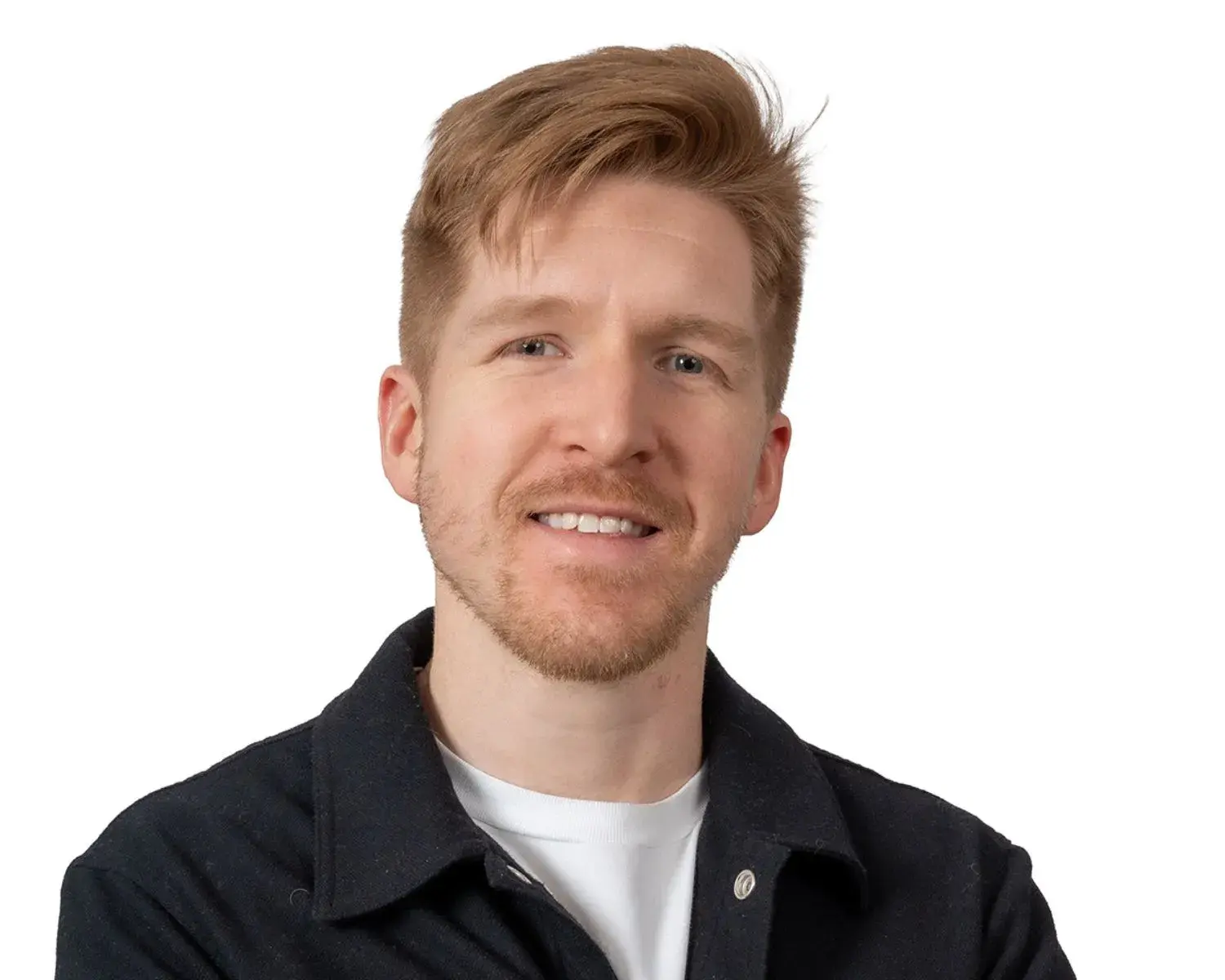
A sports enthusiast and CrossFit practitioner, this graduate of SKEMA’s MSc Corporate Financial Management programme on the Sophia Antipolis campus brings his commercial and communications expertise to a project created by his brother, CEO/CTO and a developer with more than 20 years’ experience.
You first built a career in finance before moving into tech. How did that path take shape?
After leaving SKEMA, I was focused on corporate finance. I had completed several internships in that field and was due to join PwC. In the end, I changed direction before signing. I went on to specialise in real estate, then joined Allianz Real Estate, where I spent several years working in asset management.
I am an account executive at Starburst, a fast-growing American start-up with a presence in Europe.
After a while, I wanted something different: a more direct, faster-paced environment and, above all, a model in which I would be paid according to what I generated, like an entrepreneur. Managing my clients, building my portfolio, being responsible for my results. That is what led me towards tech and sales.
You now work in data and AI. What does your role involve?
I am an account executive at Starburst, a fast-growing American start-up with a presence in Europe. I support European companies with their data management and data access challenges. What I particularly enjoy is that, in Southern Europe, there is still a lot to build. I manage my clients, but I am also helping to open up a market. It is a dynamic environment, with an international and entrepreneurial culture, which is exactly what I was looking for.
Where did the idea for Fallen come from?
It came from sport, quite naturally. I train a lot, particularly in CrossFit, and my brother is also part of that world. He was the one who drove the project from the outset. In discussions with coaches, he often heard the same comments about tools that were too expensive, too complex or poorly suited to their needs. He wanted to build something simple, centred on use, and brought me in to work on the commercial side, social media and product vision.
What need are you trying to address with the app?
The idea is to enable coaches to manage their activity without having to juggle several different tools. Fallen brings together programme creation, client tracking, assessments, nutrition and progress feedback within a single, intuitive solution. A coach can build sessions, assign them to clients, track their progress and collect their feedback in one place. The app is also used by gyms, nutritionists and physiotherapists who want to structure their support.
You place a strong emphasis on simplicity. Why?
Because many solutions become heavier as they add more features. My brother has taken the opposite approach: staying focused on what matters. He spends a great deal of time on the UI/UX side, with a real focus on offering the smoothest experience possible at every stage. For a coach, saving time matters as much as the quality of the support they provide. That is also what we are seeing in the first user feedback.
Where does Fallen stand today?
We officially launched last September. Several hundred users now use Fallen every day, and the first recurring revenues are coming in. What is encouraging is that coaches who had been using three or four of the main solutions on the market are already choosing to join us. That is a strong signal that the product appeals to users and meets a genuine need. For my part, I contribute to business development and also support my brother on product vision and pre-deployment testing.
Is AI changing the way you work on the project?
For my brother, who develops the platform, yes. Tools such as Claude save him real time on certain updates or targeted technical tasks. But they do not replace the core work: thinking through the product, checking the code, making technical choices. On my side, I also use AI to move faster on content creation and the preparation of my commercial actions.
How do you manage everything: entrepreneurial life, professional life and personal life?
Honestly, it is mainly a question of organisation. I block out time during my free hours and at weekends to move Fallen forward in a structured way. But we have to be honest: the bulk of the product is development, and that is handled entirely by my brother. I step in where I can bring value: sales, communication and go-to-market strategy. We also automate as many repetitive tasks as possible using AI. In the end, it is not a question of the number of hours, but of organisation.