
News
Makes Sense? : Could Homer Simpson be a management role model?
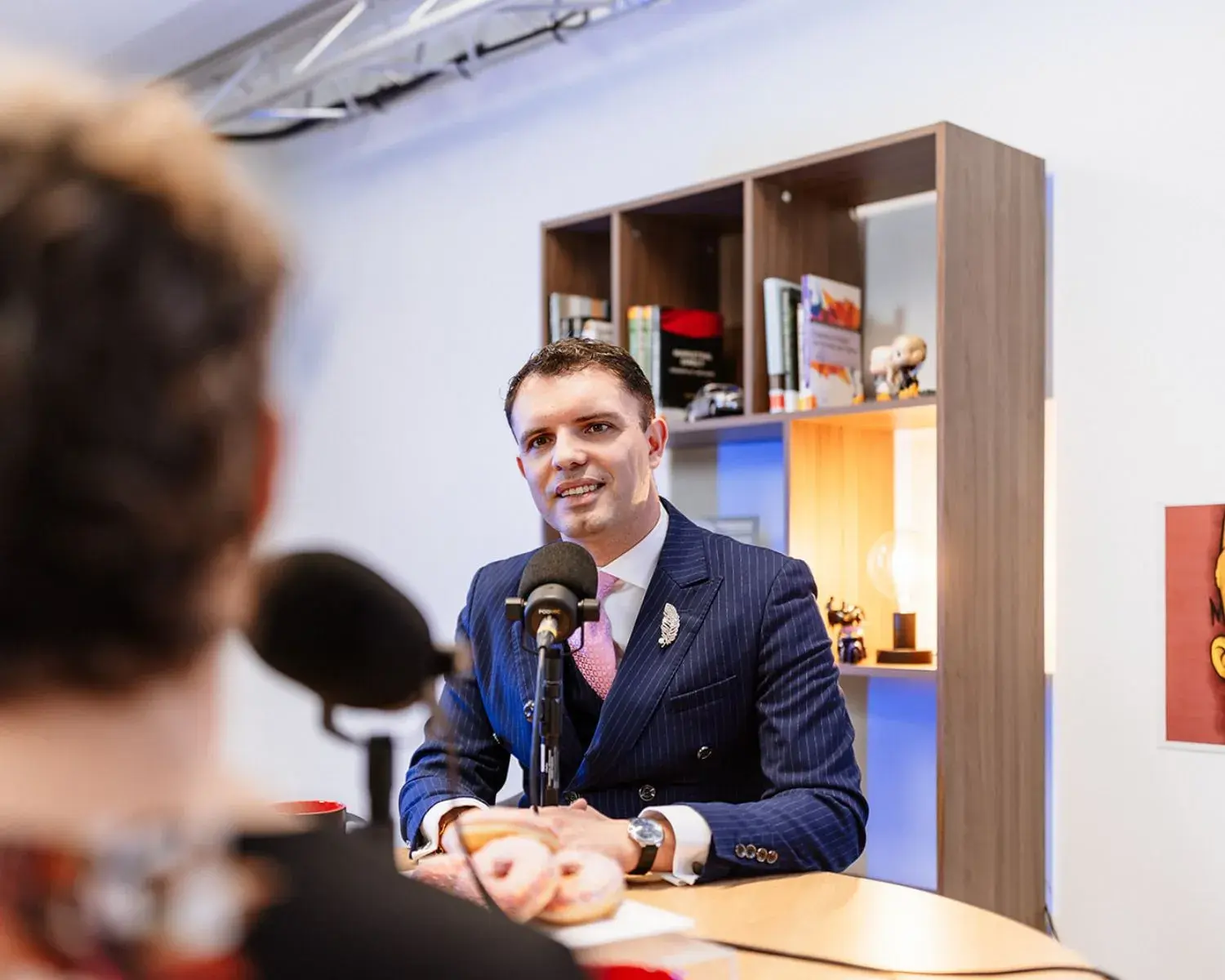
“I constantly feel underwater”
Meetings piling up, endless notifications, multiple projects running at once: modern management has become a permanent race against time. Yet for Cédric Laforge, this feeling of being overwhelmed often has less to do with the actual amount of work than with organisation and prioritisation.
In this episode, the SKEMA graduate reflects on his experience managing teams spread across twelve time zones. A global organisation that could easily suggest constant pressure and exhaustion. But for him, the answer lies elsewhere: learning how to manage time better and create space for reflection.
“My CEO once asked me why my schedule was packed from 7am to 7pm. He told me: ‘I also pay you to think.’”
Luxury and the culture of long-term thinking
This relationship with time sits at the heart of his management philosophy. In the luxury industry, performance is built over the long term. At Vacheron Constantin, founded in 1755, the objective is not only to deliver immediate results, but to build sustainable performance over time.
According to Laforge, some professional cultures encourage a permanent sense of urgency. By contrast, he highlights the importance of resilience, feedback and the ability for teams to learn from mistakes.
“Giving time to time”
Faced with the constant acceleration of work, Cédric Laforge advocates a management approach built on trust, autonomy and breaks. He refers in particular to Indian lapidaries specialised in cutting precious stones, who sometimes stop working on a stone for several days in order to regain a fresh perspective and avoid irreversible mistakes.
“It is very important to know how to pause a project in order to reintegrate creativity into what you do.”
For him, slowing down does not mean becoming less efficient. Quite the opposite. Taking a step back, pausing or allowing ideas to mature can help avoid costly mistakes and bring fresh creativity into projects.
A society driven by acceleration
The episode also draws on several academic and sociological works examining the acceleration of work. Sociologist Hartmut Rosa describes modern societies as being characterised by a permanent increase in speed across technology, communication, production and information. A paradox emerges: the tools designed to save time often end up making our days even denser.
Another issue discussed is the fragmentation of attention. Between emails, Teams messages and constant interruptions, employees increasingly switch from one task to another, often at a significant cognitive cost.
“A high-performing organisation is one that learns”
The podcast also explores the importance of collective learning within organisations. Debriefings, knowledge sharing and the circulation of best practices all play a central role. For Laforge, the most effective organisations are those capable of learning from their own projects. Through the unlikely figure of Homer Simpson, Makes Sense? ultimately raises a very contemporary question: what if the best managers were not the ones who always appear busy and overwhelmed?