
News
Pr. Yu Li: “Future managers will increasingly face situations where there is no single ‘correct’ answer”
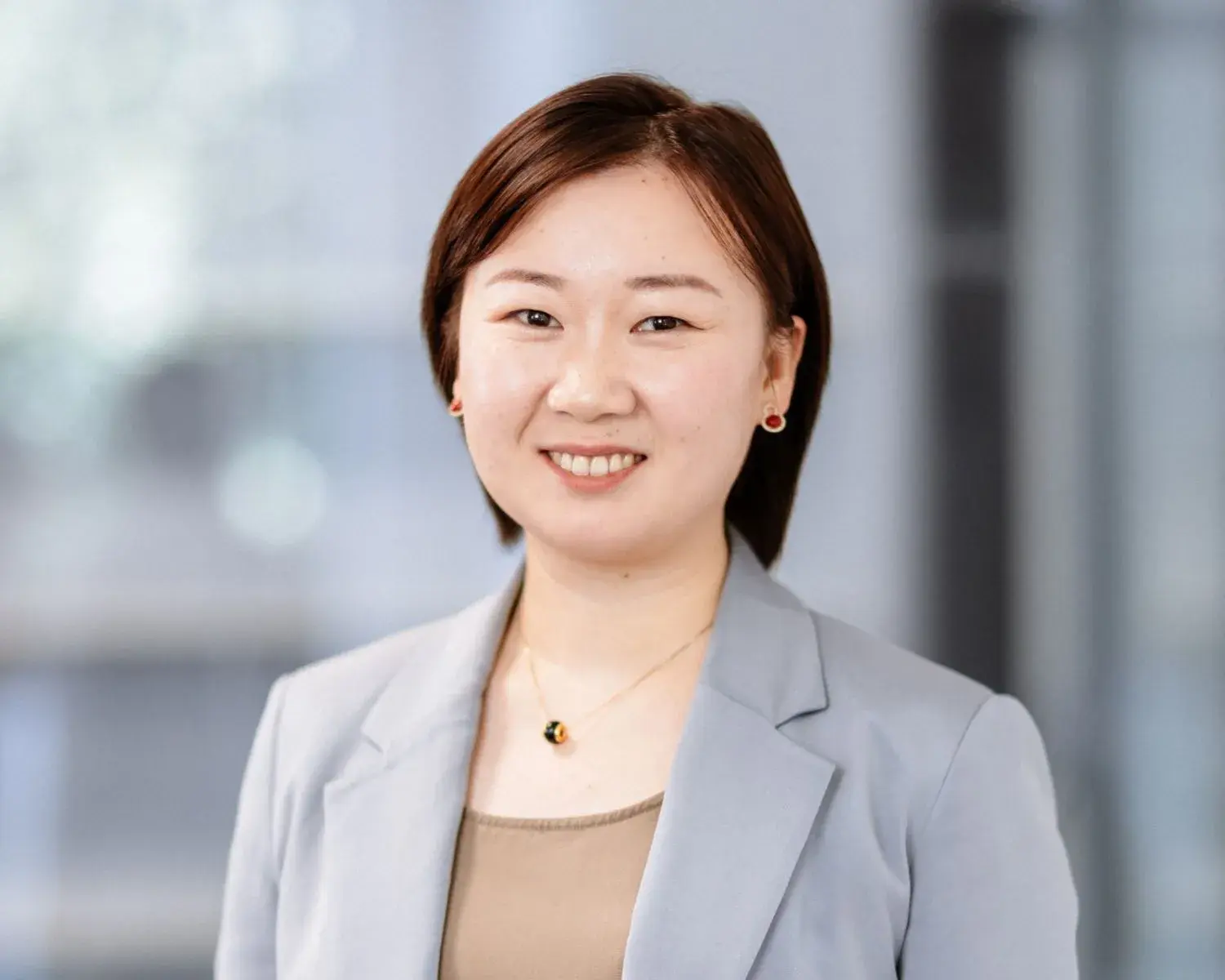
Could you briefly introduce yourself and tell us about your academic background?
I am an Assistant Professor in Strategy and International Business. Before joining SKEMA, I completed my PhD at the Darla Moore School of Business, University of South Carolina, in the United States. My academic journey has been shaped by a strong interest in how firms operate across different institutional, political and cultural environments. This perspective naturally led me toward international business and nonmarket strategy, where I study how organisations respond to societal expectations, geopolitical tensions and stakeholder pressures in an increasingly polarized world.
Your research explores strategy, sustainability and international business: what are the main questions currently driving your work?
My research examines how firms make strategic decisions in environments where business, politics and society are becoming increasingly intertwined. I am especially interested in questions surrounding corporate sociopolitical activism, sustainability, stakeholder expectations and the challenges multinational enterprises face when operating in polarized or institutionally fragmented contexts.
More broadly, I am interested in understanding what responsible and effective corporate leadership looks like in a fast-changing world. As companies face growing pressure to take positions on social and political issues, managers must balance economic performance with legitimacy, reputation and long-term stakeholder relationships. These tensions are becoming central strategic questions for global organisations.
In many ways, these issues connect closely with broader transformations affecting business education today: sustainability transitions, geopolitical uncertainty, technological disruption and the evolving role of corporations in society.
You teach both BBA and Master in Management students: what do you seek to transmit to them through your teaching?
Beyond frameworks and analytical tools, I hope to help students develop intellectual curiosity, critical thinking and global awareness. I want students to understand that managerial decisions rarely occur in isolation: they are embedded in social, political, ethical and international contexts.
I also encourage students to become comfortable with ambiguity and complexity. Future managers will increasingly face situations where there is no single “correct” answer, but rather competing stakeholder expectations and difficult trade-offs.
My goal is to create a classroom environment where students learn to think rigorously, communicate thoughtfully and approach global challenges with both analytical discipline and openness to different perspectives.
More broadly, what themes or challenges do you think future managers should be prepared to address?
I believe future managers will need to lead in a world defined by interconnected global challenges: climate transition, geopolitical fragmentation, technological transformation, social inequality and increasing scrutiny from stakeholders. Technical expertise alone will no longer be sufficient.
Tomorrow’s leaders will need the capacity to navigate uncertainty, collaborate across cultures and disciplines, and make decisions that are not only economically viable but also socially responsible and globally informed. In this context, business schools have an important role to play in developing managers who combine analytical excellence with adaptability, ethical judgment and a broader understanding of their impact on society.
This is also why I find SKEMA’s international and future-oriented vision particularly compelling. Preparing students to thrive in a complex and rapidly evolving global environment is, in my view, one of the most important missions of management education today.