
News
Meet the 20-year-old SKEMA BBA student taking on the world’s biggest esports tournaments
How did you end up at SKEMA?
I’m originally from La Roche-sur-Yon, in western France. I joined the Global BBA after secondary school because I was looking for a business school with a strong international dimension. What attracted me to SKEMA was the possibility of moving between campuses every year, with the “one campus per academic year” format. I started in Lille, a campus I really enjoyed, before moving to Barcelona through SKEMA’s partnership with EADA Business School. I’m now studying in Nanjing, China, and next year I’ll head to Raleigh in the United States for my specialisation. This “4x4” journey, with a different campus each year, is a pretty unique experience.
Where does your passion for esports come from?
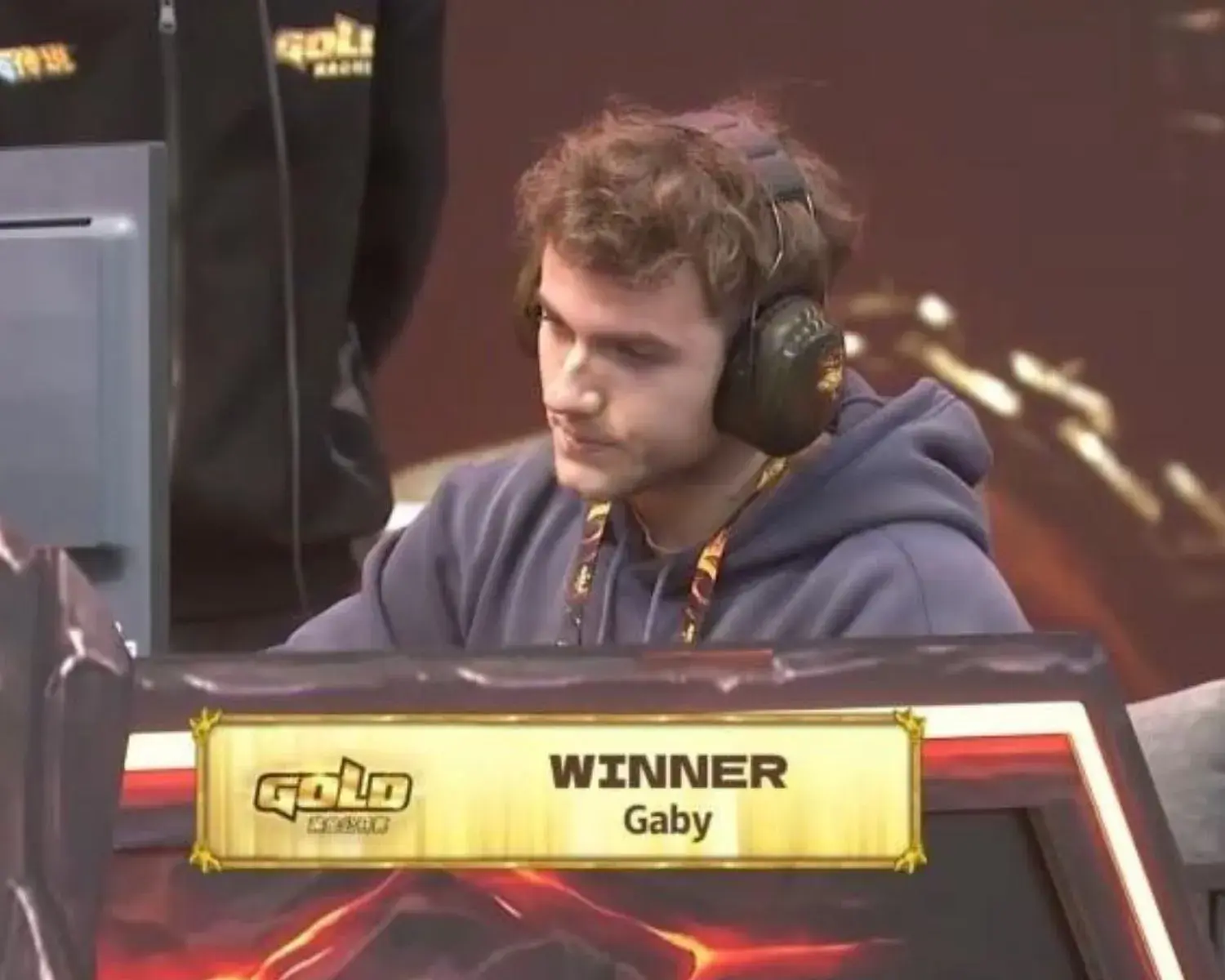
I started playing Hearthstone when I was around eight years old. I began to get good at it at about 12 or 13, then started competing in international tournaments when I was around 15.
Hearthstone is an online strategy card game inspired by the Warcraft universe. Two players compete using decks made up of cards with different effects. Every match requires anticipation, risk management and a lot of strategic thinking. There’s also an element of randomness, a bit like poker, but consistency and decision-making quality make the difference over time.
You now compete in international tournaments. How does that ecosystem work?
The competitive circuit is built around several international tournaments called “Master Tours”. Each event gathers sixteen players and offers a prize pool of 50,000 dollars. The best players then qualify for the World Championship, which is being held this year during BlizzCon in California, with a 500,000-dollar cash prize. To qualify, you need to perform consistently every month in the international rankings and deliver results during the major tournaments. This year, I finished first on the European server before securing my qualification for the World Championship.
So despite the level you’ve reached, this remains a passion project?
Yes, first and foremost, it’s still a hobby, even if it can occasionally generate prize money through competitions. The earnings remain uncertain and depend on performances across short formats.
I mainly see it as a rewarding personal experience, something that can help in the future or finance certain projects. I prefer to stay level-headed about it and keep a clear separation between gaming and my studies.
How do you manage to balance university life and competition?
At first, it wasn’t easy. I’ve already had to give up important tournaments in order to prioritise exams. Over time, I learned how to organise my workload and training periods more effectively.
Sometimes, the schedules become complicated and you have to adapt. Right now, for example, I’ll be playing an international tournament overnight because of the Chinese time difference… before sitting a final exam the next morning.
You need to find the right balance. But my priorities are clear: my academic path comes first. If a tournament ever clashed with exams that couldn’t be rescheduled, I’d choose my studies without hesitation.
What does training look like for a high-level player?
It depends on the period. Before a major competition, training days can last anywhere between six and ten hours alongside other players. But there are also moments where you need a proper mental break after very intense phases.
I also take sleep, fitness and nutrition very seriously. I go to the gym almost every day. There’s still this stereotype of the pale gamer with tired eyes, even if things are changing.
People now recognise that the mechanisms are quite similar: optimising your physical performance or optimising your level of play follows the same logic when your goal is to become the best.
Has your semester in China also created opportunities linked to gaming?
Yes, definitely. China has a very active Hearthstone scene. I’ve been invited to several local events and tournaments, including a major competition in Tianjin bringing together more than a thousand players.
It’s a very different country, sometimes disorientating, but extremely interesting to discover. For my activity around gaming, it was probably the best place to be this year.